


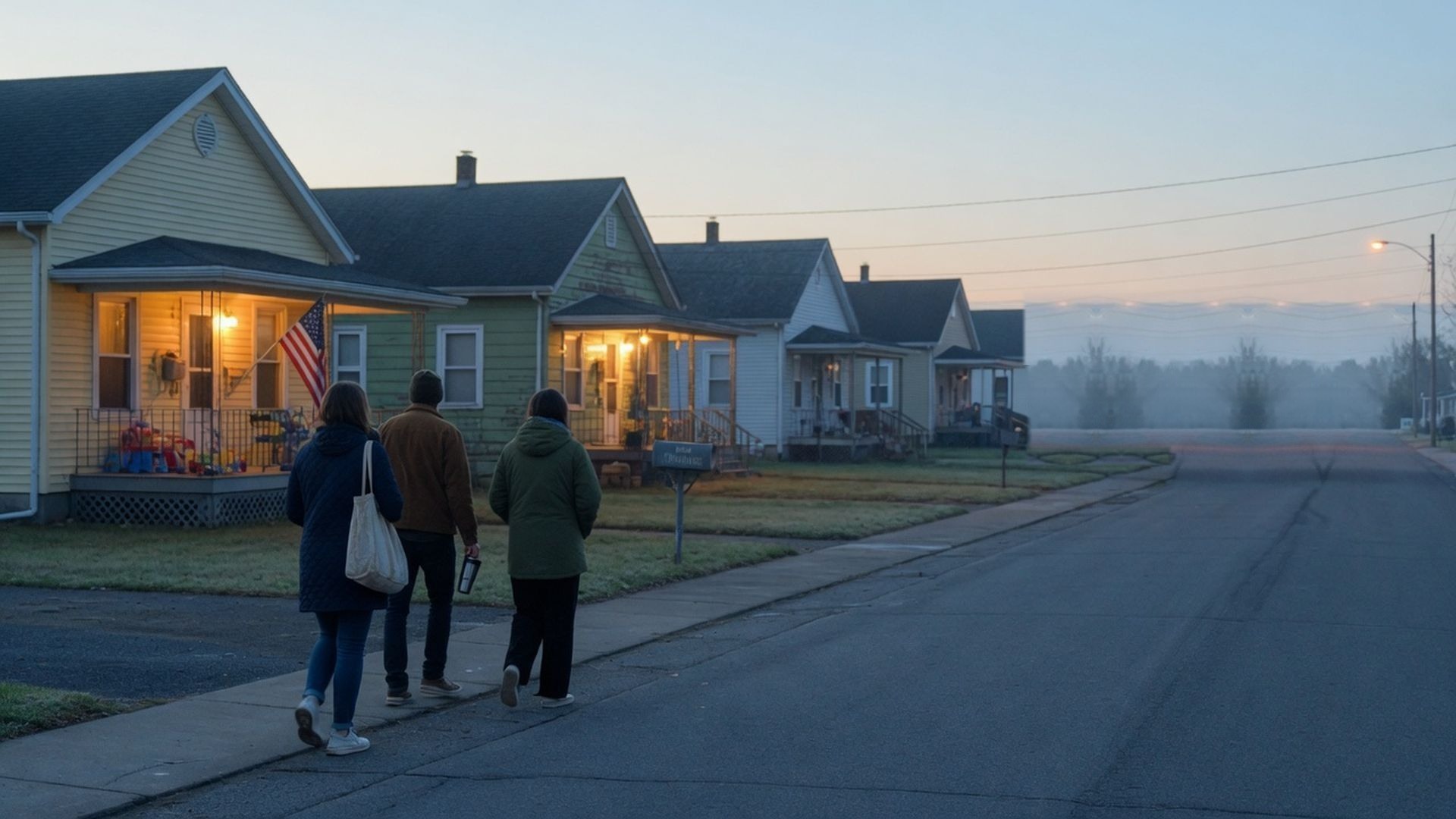
Together. Everywhere. Every child.
Project Milk Carton · a 501(c)(3)
About 890 kids are reported missing in America every day
We read the public records, follow the money, and learn the law. Then we show you what we find, in plain words.
It takes all of us
Highlights of people in the Circle.
-
Partner story
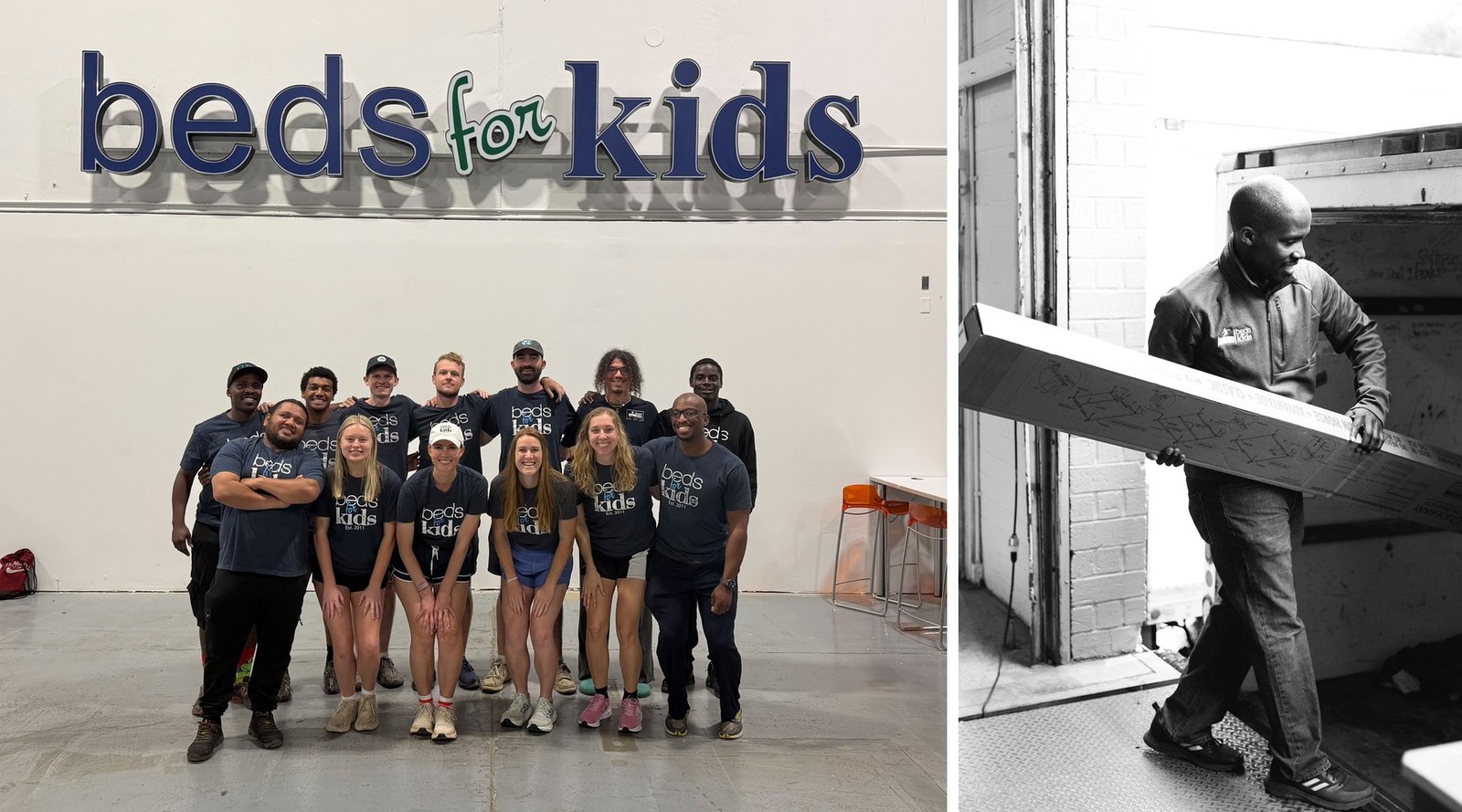
How we met Beds for Kids
Walk into the Beds for Kids warehouse in Charlotte, and you see right away what a community can do when it pulls together.
Read the story -
Partner story
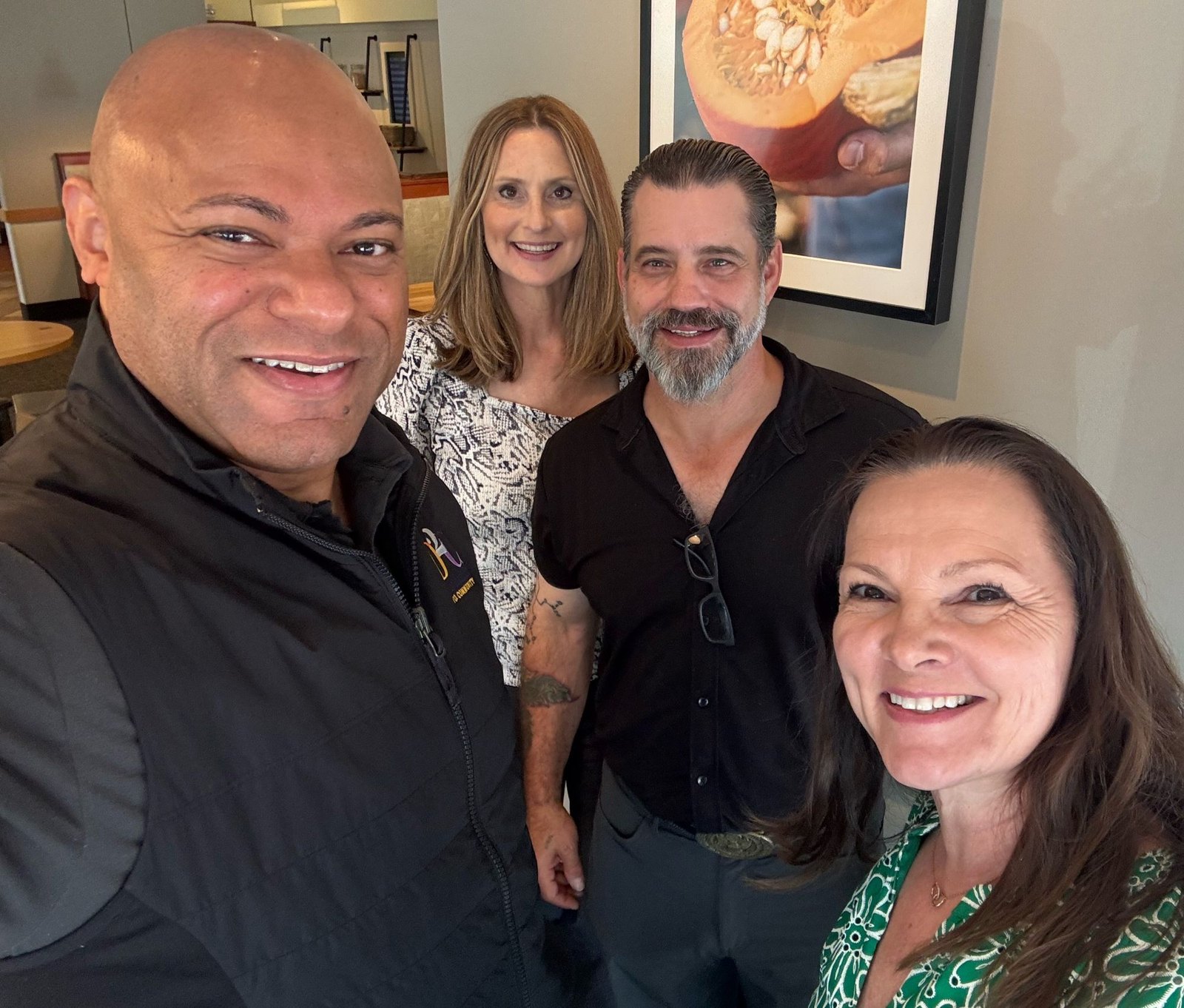
How we met Quentin of D2C
Some meetings feel like a gift. Our coffee with Quentin Williams of Dedication To Community (D2C) was one of them.
Read the story
The number
About 890 children are reported missing every day in the United States.
In 2025, police added a missing child under 18 to the FBI's national list
323,767 times. That is about 887 a day.
One child can be reported more than once.
Source: FBI, 2025 NCIC Missing Person and Unidentified Person Statistics (2025).
Where do you want to go?
Three ways in.
Do you know something about a missing child? Call 1-800-THE-LOST (1-800-843-5678), the National Center for Missing & Exploited Children. Someone answers day and night.
- 21,487children under 18 were still listed as missing in the FBI's national list on December 31, 2025. Source: FBI, 2025 NCIC Missing Person and Unidentified Person Statistics
- 323,767times in 2025 police added a missing child under 18 to the FBI's national list. Source: FBI, 2025 NCIC Missing Person and Unidentified Person Statistics
- 2,853children are listed on Project Milk Carton right now. Source: NCMEC's public list, as we last read it
Watch
Why we do this work.
A short film on why Project Milk Carton exists, what we look for, and how one person with a phone can help.
From our desk
What we wrote lately.
-
256 Pages a Year: The Child Welfare Paperwork Rule You Can Comment On Until November 4
A caseworker in a typical state child welfare office finishes a long week of home visits, then sits down to help on a report that runs about 256 pages, much of it copied from last year’s version.
Read it on Substack -
From Our Website's News Feed: Why California's foster family agencies keep closing
In California, many foster homes are not recruited by the county. They are recruited, trained and supported by nonprofit foster family agencies that work under contract with the county. When one of those agencies closes, every family it supports has to land somewhere else.
Read it on Substack Goes with the news item: Insurance costs and funding gaps close California foster agencies -
From Our Website's News Feed: Hackers copied 150,000 Arizona foster care reports
[DRAFT - NOT FOR PUBLICATION UNTIL AN OFFICER APPROVES]
Read it on Substack Goes with the news item: Hackers took 150,000 Arizona foster care review reports
Get involved
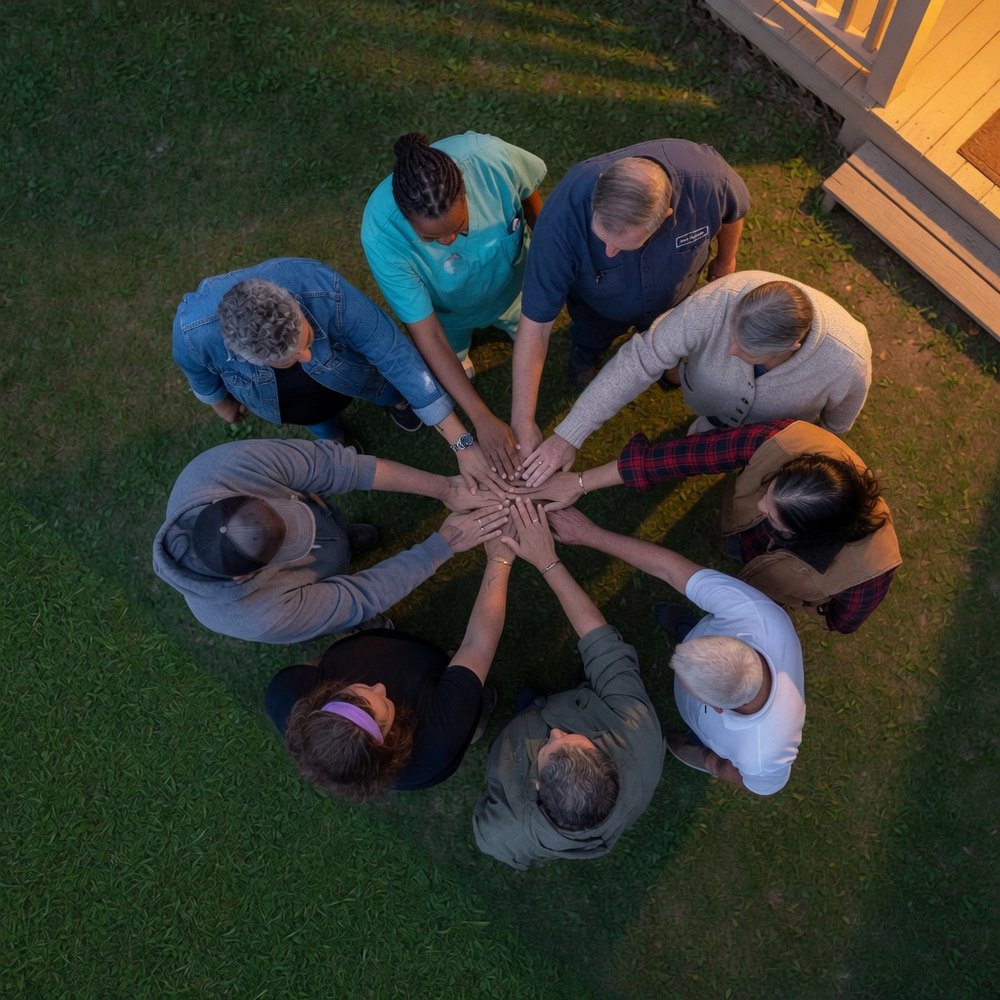
Stand in the circle.
Your gift helps us keep this work free for every family. Project Milk Carton is a 501(c)(3) nonprofit, so gifts are tax-deductible.